
Digital Painting Tips to Draw Comic Poses

Digital Painting Tips to Draw Comic Poses post thumbnail image

If you’re looking to improve your comic book art, look no further! This blog post will discuss using digital painting techniques to create dynamic and exciting various comic character poses. There are different comic character poses that you can mimic at pencilkings.com. Comic books are a visual medium, and the way your characters pose can make or break the story. By following these tips, you’ll be on your way to creating better comic book art that stands out from the competition.

Grab a Professional Drawing Tablet and Stylus Pen

drawingThe first thing you need is a professional drawing tablet and stylus pen. It will allow you to draw on the computer with much more precision than a mouse. You can find tablets of all sizes and prices, so choose one that fits your budget and needs. We recommend the Wacom Intuos Pro because it has a large drawing surface, and it’s also customizable to do your hand size. Once you have a drawing tablet, you need to install some software that will allow you to paint digitally.

Use Reference Photos for Poses

One of the best ways to improve your comic poses is using reference photos. It will help you get a sense of the anatomy and movement of the human body. You can find many great reference photos online or even take your pictures with a camera or phone. It’s also helpful to study professional comic artists and see how they use poses to convey emotion and action.

Start With the Basic Shapes of the Body Before Detailing

Open up your software and create a new canvas when you’re ready to start painting. Then, begin by sketching out the general shapes of your character’s body. You don’t need to worry about details at this stage. Just get the basic proportions down. Once you have the character’s skeleton in place, you can start to add muscle groups and clothes. Adding details is essential, but don’t get too caught up in them. Remember, the goal is to create a dynamic and exciting pose that tells your character’s story.

Use Bold Colors for Maximum Impact

digital paintingComic book art is known for its use of bright and bold colors. It is because comic books are meant to be eye-catching and visually stimulating. When choosing colors for your digital painting, don’t be afraid to go outside of the traditional color wheel. You can use vibrant neons or muted pastels to create a unique look for your comic. Just make sure that the colors you choose are consistent with the tone and mood of your story.

We hope these tips have helped you get started on creating better comic book art! Remember, practice makes perfect, so keep working at it until you achieve the results you want. Thanks for reading.


Related Post

Audio

Facts of Using High-End Audio You Need to KnowFacts of Using High-End Audio You Need to Know

Some many men and women appreciate the sound quality of a custom high-end audio setup. Calgary residents who are serious about their entertainment can distinguish between a bit of music played on a digital recorder and something from a local radio station’s broadcast center. You can follow this Saving on top end audio equipment tips to get a better quality audio.

High-End Audio Components

Music

With technology to replicate the many standard harmonies and stereo surround sound, more and more people realize each component’s importance within their home entertainment needs. With the introduction of Blue-Ray discs, which offer crystal clear imaging and the most authentic sound quality, many men and women are moving into a place designed for high-end audio. Using components that explore and decipher the principles of dialogue, music, and sound effects, viewers in their living room receive the highest quality playback available anywhere. To meet the demands of an increasing number of men and women who want the best of the best in their home entertainment space, Calgary contributors can track every location without compromising almost every operation.

Any office that best communicates how to describe it as an office should have equipment used for presentations. A person can find unique types of equipment in almost any workplace that meets this specific goal. Some offices still stick to the old school, basic manners, while others shout sophistication. This recording provides a cross-section of the different types of audiovisual equipment you want to find as soon as you enter an office. This is perhaps the most widely used piece of equipment in almost all medium-high level offices.

High-End Audio Benefits

Studio

These pellets are changing in terms of specifications and costs. Specifications include soft capacity, image sharpness, and the most obvious specification, resolution. The more you stick to these specifications, the higher the cost of the equipment. This projector is very powerful because it serves its purpose. This results from its reliability because there is no need to waste time installing this projector after it is turned on. Another wonderful thing about this projector is that it can display images higher than the real thing.

This makes it useful when you want to present images to a wide audience of people. It is one of the most basic and important audiovisual presentation devices. People can watch the news live and then discuss it. Computer-generated screens, this may be the most modern type of audiovisual demonstration. It is a PC application that is modified to show the slides of the demonstration presentation. This is the result of the elegance associated with recognizing a professional look at the same time. The use of video and audio enhances these presentations. This is due to the flexibility of technology.

platform

What Platforms Notice First When Content Gains AttentionWhat Platforms Notice First When Content Gains Attention

When a post starts picking up traction, it can feel unpredictable from the outside. One day, a piece of content reaches a handful of people, and the next it seems to travel far beyond expectations. Behind that shift is a quiet evaluation process happening almost instantly. Platforms are designed to observe behavior, measure reactions, and decide whether content deserves broader distribution. Understanding what gets noticed first helps make growth feel more intentional and less mysterious.

Interaction Patterns Matter More Than Volume

Platforms tend to focus on how engagement unfolds rather than just how much of it exists. A steady stream of interaction often sends a stronger signal than a sudden spike followed by silence. In some strategies, the option to buy active TikTok likes may be used to help establish early momentum while content continues to earn organic interaction through watch time and discussion. When engagement appears balanced and ongoing, platforms are more likely to expand distribution gradually.

Early Engagement Sends the First Signal

social media insteraction

The earliest interactions after publishing play an important role in how content is evaluated. Platforms look for immediate signs that people are paying attention, such as quick likes, comments, or saves. These actions suggest the content resonates enough to interrupt scrolling. While early engagement doesn’t guarantee long-term reach, it helps establish an initial performance baseline that platforms can test further.

Watch Time Reveals Real Interest

Beyond taps and reactions, watch time is one of the clearest indicators of attention. Platforms pay close attention to whether viewers stay until the end, replay sections, or quickly scroll past. Strong retention suggests the content delivers on its promise. Even with modest engagement numbers, high watch time can quietly push a post forward because it shows viewers are genuinely interested.

Consistency Builds Algorithmic Confidence

Content performance doesn’t exist in isolation. Platforms track creator behavior over time, including posting frequency and quality consistency. When accounts show steady habits, algorithms have more data to work with, making it easier to predict how future content might perform. This consistency builds confidence and often results in new posts being tested with slightly wider audiences from the start.

Audience Fit Shapes Distribution Paths

Who engages with content is just as important as how they engage. Platforms analyze viewer interests and behavior to determine where content fits best. When people who regularly interact with similar topics respond positively, it helps algorithms understand where else the post might belong. This alignment increases the likelihood of content reaching users who are naturally inclined to engage.

Shares Signal Deeper Value

shares

Sharing is one of the strongest indicators that content has made an impact. Whether it’s sent to friends or reposted publicly, a share suggests the content provided value beyond passive entertainment. Platforms often reward this behavior by testing the content with new groups, as shares help keep users active and connected within the platform.

Momentum Builds in Phases

Growth often happens in stages rather than all at once. Platforms may start by testing content with a small group, then slowly increase reach if performance remains positive. This phased approach allows algorithms to manage risk while rewarding consistency. What looks like sudden success is often the result of multiple successful tests stacking over time.

Adaptability Signals Ongoing Relevance

Platforms also notice when creators evolve. Adjusting formats, refining storytelling, or responding to changing trends shows awareness and flexibility. This adaptability keeps content feeling fresh, which supports long-term engagement. Creators who learn from past performance and apply those insights tend to maintain visibility more easily over time.

When content gains attention, platforms are observing much more than surface-level metrics. Early engagement, watch time, audience alignment, and consistency all work together to shape how far a post travels. By understanding these signals and approaching growth thoughtfully, creators can support momentum without relying on guesswork. Over time, attention becomes less about luck and more about alignment between content, audience, and platform behavior.

laptop

How to Optimize YouTube VideosHow to Optimize YouTube Videos

Success on YouTube depends on more than just creating great content; it also relies on how well videos are optimized to reach the right audience. From keyword-rich titles and descriptions to engaging thumbnails and consistent posting, optimization strategies can significantly influence visibility. Some creators even look into growth options such as fast delivery YouTube subscribers to give their content an initial boost and improve social proof. When paired with strong organic strategies, these approaches can help videos rank higher, attract more views, and keep audiences engaged. Optimizing effectively ensures creators get the most out of every upload in 2025’s competitive space.

Crafting Strong Titles and Thumbnails

typing

Titles and thumbnails are the first things people notice, and they often decide whether someone clicks or scrolls past. A good title balances clarity with intrigue, giving viewers a reason to watch while matching what they are searching for. Pair it with a visually striking thumbnail that represents the video honestly, and the chances of clicks increase significantly. Creators who invest a little time in experimenting with different thumbnail styles often find what best resonates with their audience.

Using Descriptions and Tags Effectively

The description box is valuable real estate, yet many creators overlook it. A strong description should summarize the video while naturally including keywords that people might search for. It is also a place to encourage engagement by pointing viewers to playlists or reminding them to subscribe. Tags, while less influential than before, still help with categorization and can give videos a slight visibility boost. Together, descriptions and tags provide structure that makes it easier for YouTube to recommend the content.

Enhancing Engagement With Captions and Playlists

Accessibility matters, and captions serve both practical and optimization purposes. They make videos understandable for wider audiences while giving search engines more text to analyze. Playlists are another smart tool, as they organize videos into logical groups and keep viewers watching longer. By guiding people from one video to the next, playlists increase watch time, which is a key factor in how YouTube promotes content. These features may seem small individually, but together they build stronger audience connections.

Analyzing Performance for Continuous Growth

analytics

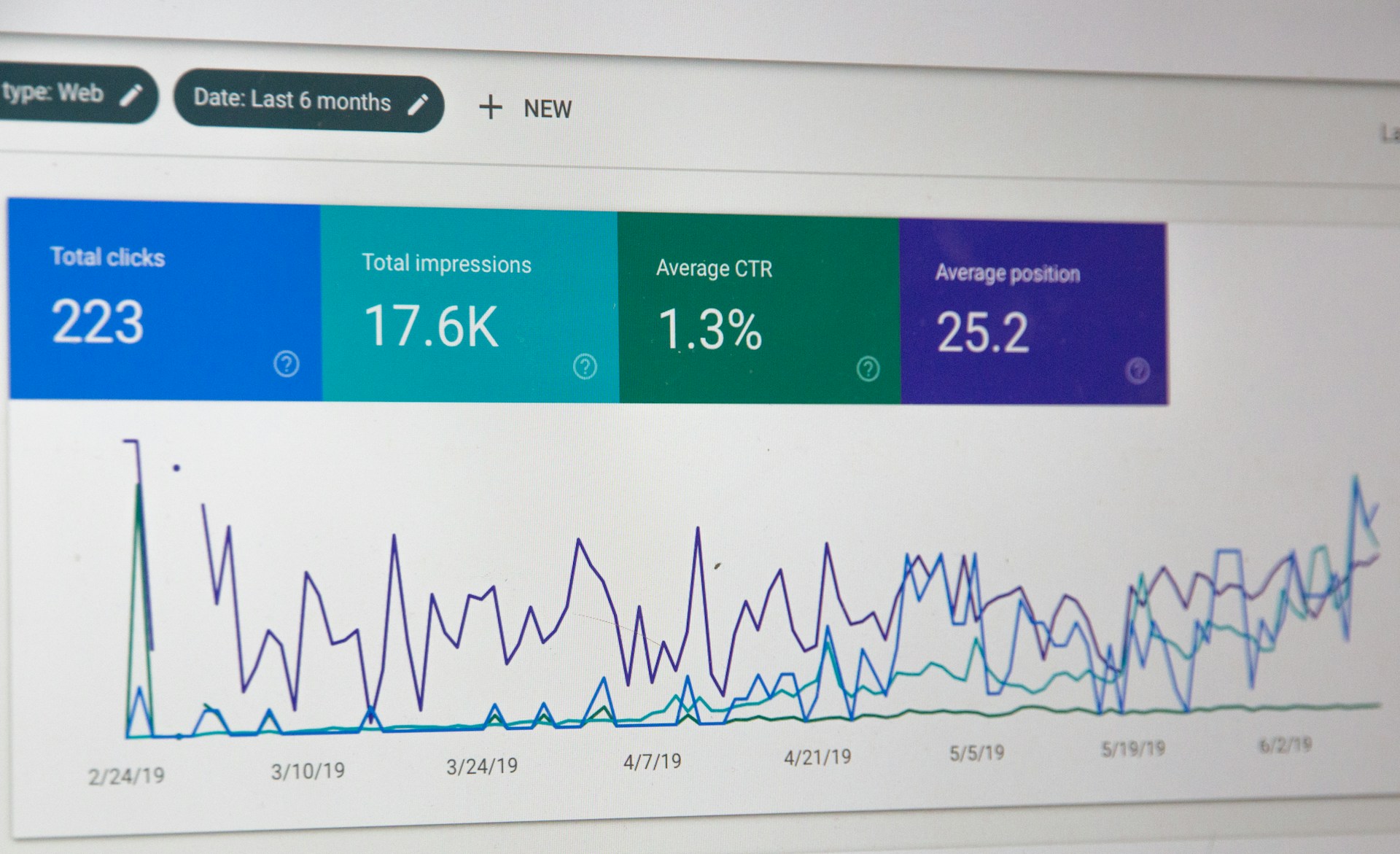
Optimization does not stop once a video is uploaded. YouTube Analytics provides valuable insights into how content is performing. Watch time, retention rates, and traffic sources reveal what works and what needs improvement. By reviewing these metrics, creators can refine future videos and avoid repeating mistakes. The smartest approach is treating each upload as a learning opportunity, using data to guide creative decisions. Consistent analysis transforms optimization from a one-time effort into an ongoing habit.

Optimizing YouTube videos is about making content easy to find, enjoyable to watch, and worth sharing. Strong titles and thumbnails capture attention, descriptions and tags provide context, captions and playlists improve accessibility, and analytics drive smarter future decisions. Each step contributes to building a stronger channel that attracts new viewers and keeps existing ones engaged. By combining creativity with thoughtful optimization, creators can grow their presence without relying on luck. Success on YouTube is less about chance and more about preparation.